What is Flooring Contractor work when switching from tile to rubber
What is Flooring Contractor work when switching from tile to rubber
Blog Article
Businesses and residents in the North Bay confront relentless foot traffic, moisture, and temperature fluctuations that punish typical floors. An experienced North Bay Flooring Contractor knows how to specify industrial-grade materials that meet local codes while keeping interiors safe and attractive. Their knowledge of Sonoma, Marin, and Napa building codes helps businesses avoid costly rework. Further reading is the listed page. North Bay Rubber Surfacing guide systems combine recycled tire crumb with a polyurethane binder, creating a resilient layer that cushions falls and resists cracking. Installers fine-tune mix ratios and surface preparation on site, accounting for coastal humidity and freeze-thaw cycles that affect cure rates. crews also handle transitions between rubber and epoxy zones, eliminating trip hazards where differentdistinct materials meet. Further reading is open this page. Generic contractors oftenfrequently use residential-grade products on commercial jobs, leading to premature wear in high-traffic corridors. A North Bay Flooring Contractor stocks industrial-strength coatings, slip-resistant additives, and moisture-tolerant primers that survive forklift traffic and constant wash-downs. This coverage protects owners when conduit or plumbing is struck, a detail often missed until an incident halts operations and triggers costly claims. The write-up is view the page. Moisture management separates durable floors from premature failures. North Bay crews use calcium-chloride kits and relative-humidity probes to confirm moisture levels, then profile concrete to CSP-3 or higher. The seamless membrane resists vapor drive, eliminating blisters that plague vinyl tiles and carpet squares. Sheet vinyl and carpet squares, by contrast, trap moisture at seams and need replacement within two years. Prices vary by substrate condition, square footage, and chosen chemistry. A 2,500-square-foot warehouse typically runs between $4.75 and $7.25 per square foot for a ⅜-inch rubber surface, including prep and moisture mitigation. Epoxy flake systems fall in the $3.50–$5.00 range for the same area, with added costs for cove base, line striping, or non-skid additives. These figures already include permits required by the City of Santa Rosa and Marin County environmental health departments. Concrete densifiers offer dust control but no impact cushioning. Vinyl composition tile can be installed quickly yet shows seams within two years under forklift traffic. North Bay Rubber Surfacing stays flexible down to 10 °F, expands and contracts with the slab, and never needs re-grouting. Its open surface texture also channels water away from work areas, reducing slip-and-fall claims documented by local risk managers. Epoxy, while durable, transmits impact noise and feels hard under prolonged standing. Many facilities therefore zone rubber in employee break areas and epoxy in production zones. A North Bay Flooring Contractor coordinates these transitions so color and thickness line up, avoiding ridges that trap debris. Start by confirming the crew holds current C-15 and C-33 licenses and carries at least $2 million in liability coverage. Ask for three recent references within a 30-mile radius and request photos of the slab profile they achieved before priming. A thorough contractor will also provide a written moisture-mitigation plan and a two-year workmanship warranty that covers both materials and labor. Schedule installation after mechanical trades finish but before final punch-list items; this sequence prevents lift-truck damage and weld splatter that ruin fresh coatings.Why North Bay Flooring Contractor services outperform generic options
Budget drivers behind North Bay Flooring Contractor quotes
Choosing the right surface for North Bay industrial floors
How to choose North Bay Flooring Contractor experts
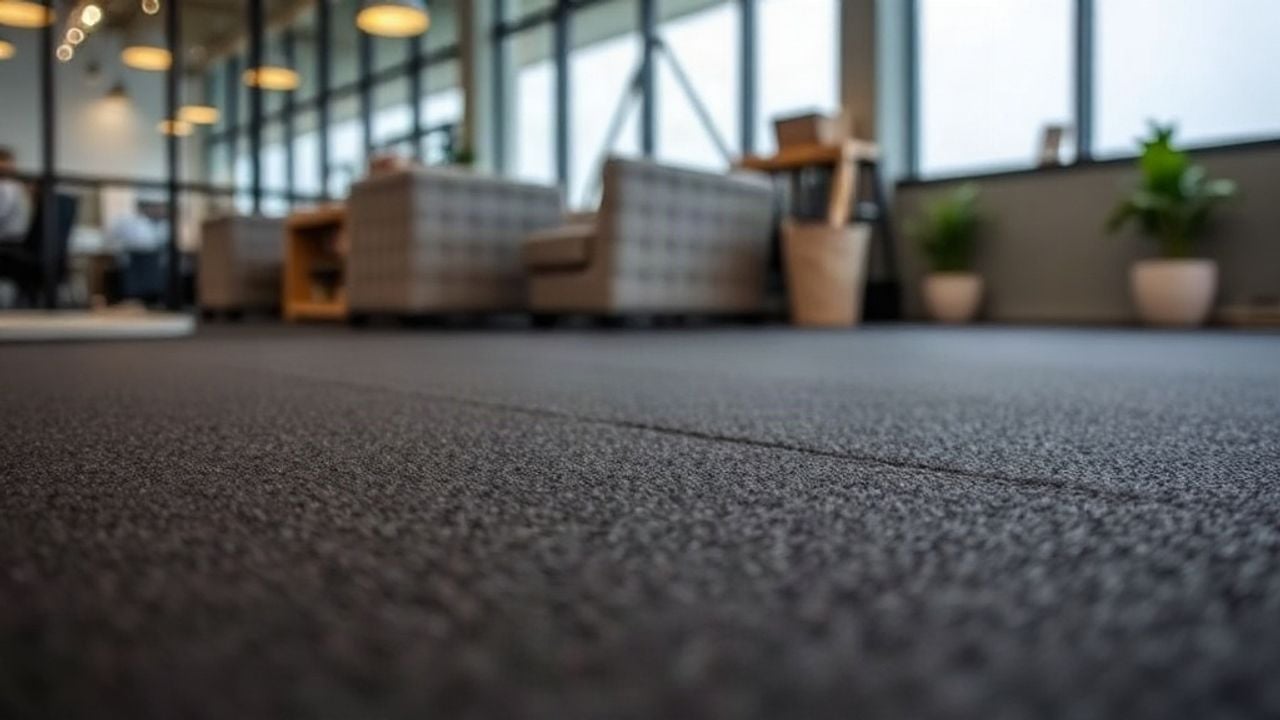 North Bay Rubber Surfacing guideNorth Bay Rubber Surfacing guide
North Bay Epoxy Flooring tips that reduce callbacks
North Bay Flooring insightful guide Contractor
Frequently asked questions
Which tasks fall under North Bay Flooring Contractor responsibilities
A North Bay Flooring Contractor removes failed surfaces, prepares the concrete substrate, and installs seamless coatings or rubber layers that meet local fire, health, and accessibility codes. The scope typically includes moisture testing, cove base, transitions, and a written maintenance schedule for the building owner.
How much should I budget for epoxy flooring per square foot
Installed prices range from $3.50 to $5.00 per square foot for a standard flake system on a clean, level slab. Add $0.75–$1.25 for moisture-mitigation primers or non-slip additives. Final numbers depend on square footage, access, and whether the crew works after hours to avoid disrupting operations.
Is North Bay Rubber Surfacing suitable for small business retail floors
Yes. A ⅜-inch rubber layer cushions joints for staff who stand eight hours, resists cart wheels, and wipes clean with neutral detergent. The surface also meets ASTM F2772 impact standards, which many insurance carriers now reference when evaluating slip-and-fall claims.
How long does a professional North Bay Flooring Contractor project take
Surface prep and primer usuallytypically finish in one day. Rubber or epoxy coats need 24–48 hours cure before light traffic and 72 hours for heavy equipment. Full chemical resistance develops after seven days, so crews often schedule final walkthroughs eight days after the last coat.
What routine care keeps epoxy floors looking new
Daily dust mopping and weekly cleaning with a pH-neutral floor cleaner keep the surface glossy. Avoid abrasive pads and high-alkaline degreasers; both dull the topcoat and shorten service life. Re-coating every seven to ten years restores appearance without full removal.
Can both rubber and epoxy be installed together
Experienced crews routinely install rubber in locker rooms and epoxy in production zones. They form a 4-inch-wide transition strip using a flexible epoxy mortar so neither surface ridges or collects dirt. Color matching is handled by pulling from the same batch of resin for both systems.
Choosing a North Bay flooring contractor requires checking licenses, moisture-control procedures, and warranty details before ordering materials. When preparation is thorough and maintenance expectations are realistic, the final floor shields both people and equipment for many years.
Document every step—photos of the shot-blast profile, moisture readings, batch numbers—so future remodels start with complete information rather than guesswork.